
















-

Free Shipping
-

15-Day Returns
-

2-Year Warranty
-

CE & EN15194 & RoHS
-
Best Sellers
-
New Arrival✨
As Seen in the Media
A comfortable and reliable e-bike, perfect for daily commuting and longer rides.
An excellent choice for riders looking for stability, comfort, and ease of use.
Great value for money with solid build quality and a smooth riding experience.
The battery performance is impressive and makes it suitable for both city commuting and weekend rides.
Smooth riding experience with stable handling, even on uneven roads.
Easy to use and perfect for beginners as well as experienced e-bike riders.
Loved by Eskute Riders
Blog

Eskute Halloween Offers: A Free Treat for Your Ride
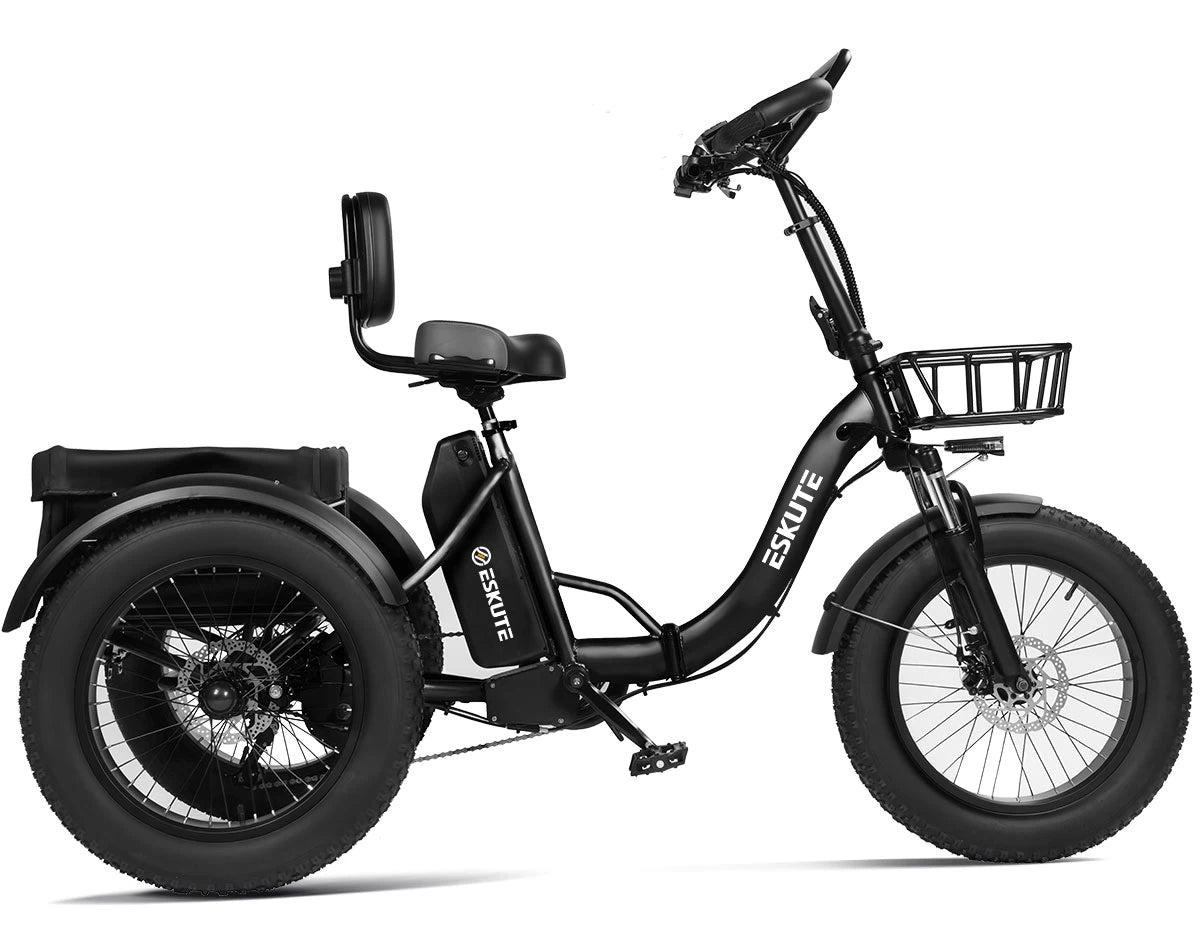
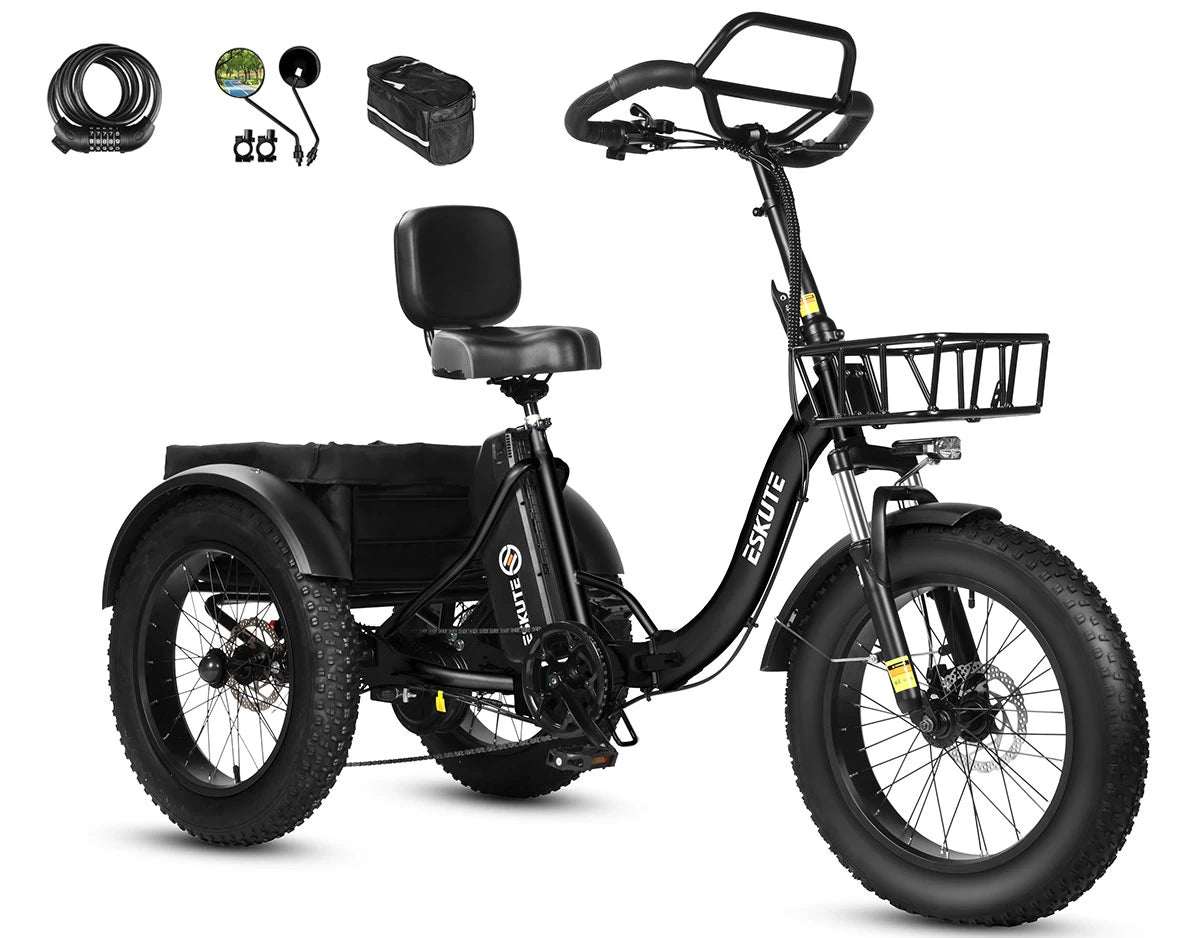
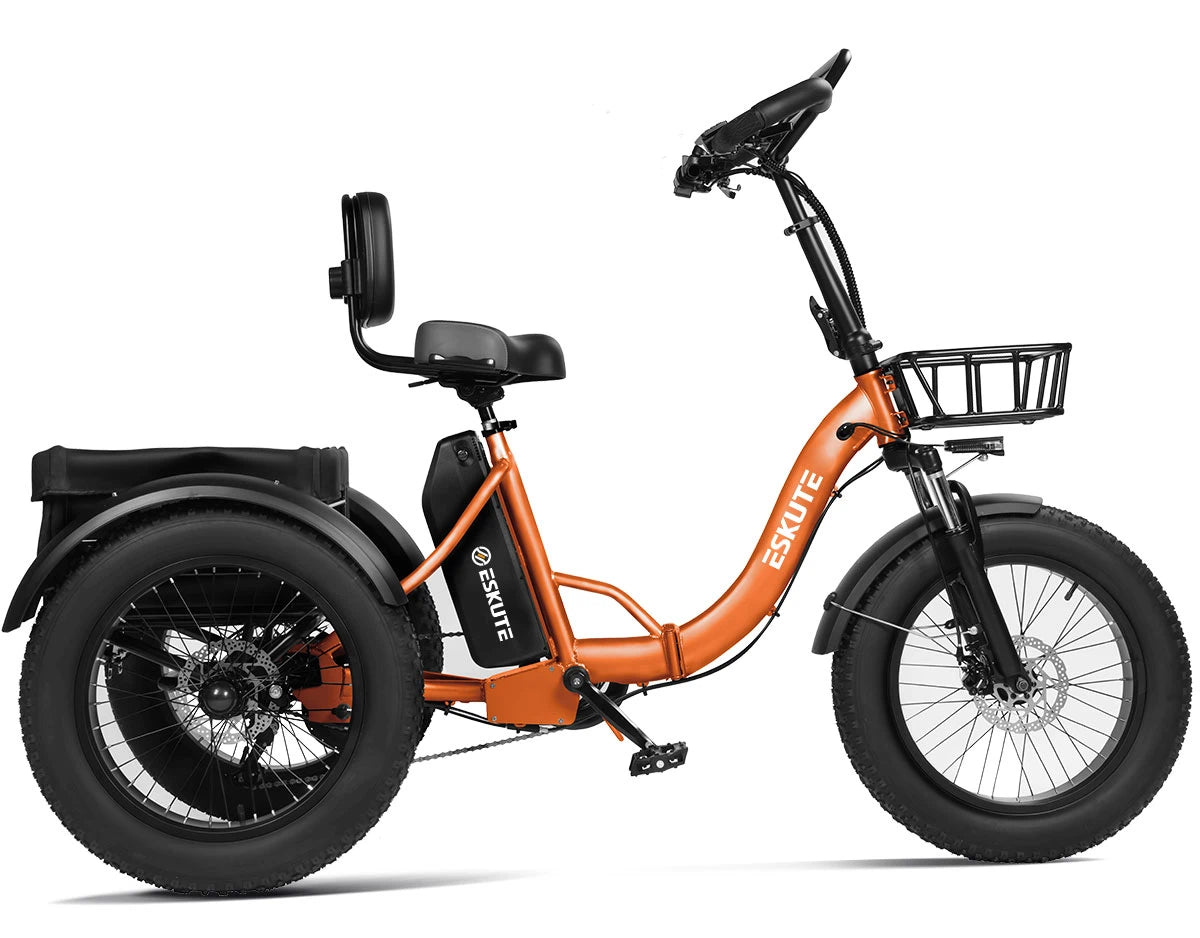
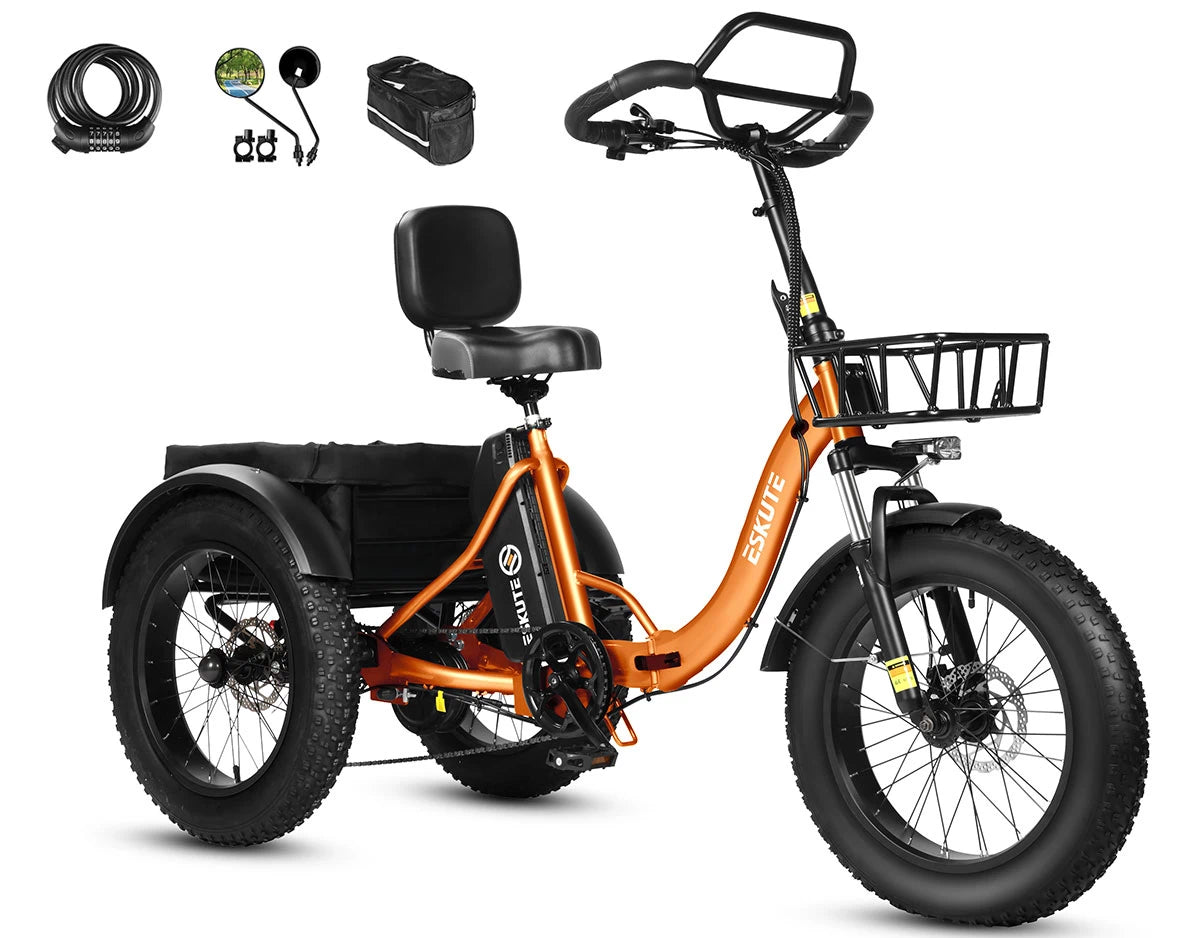
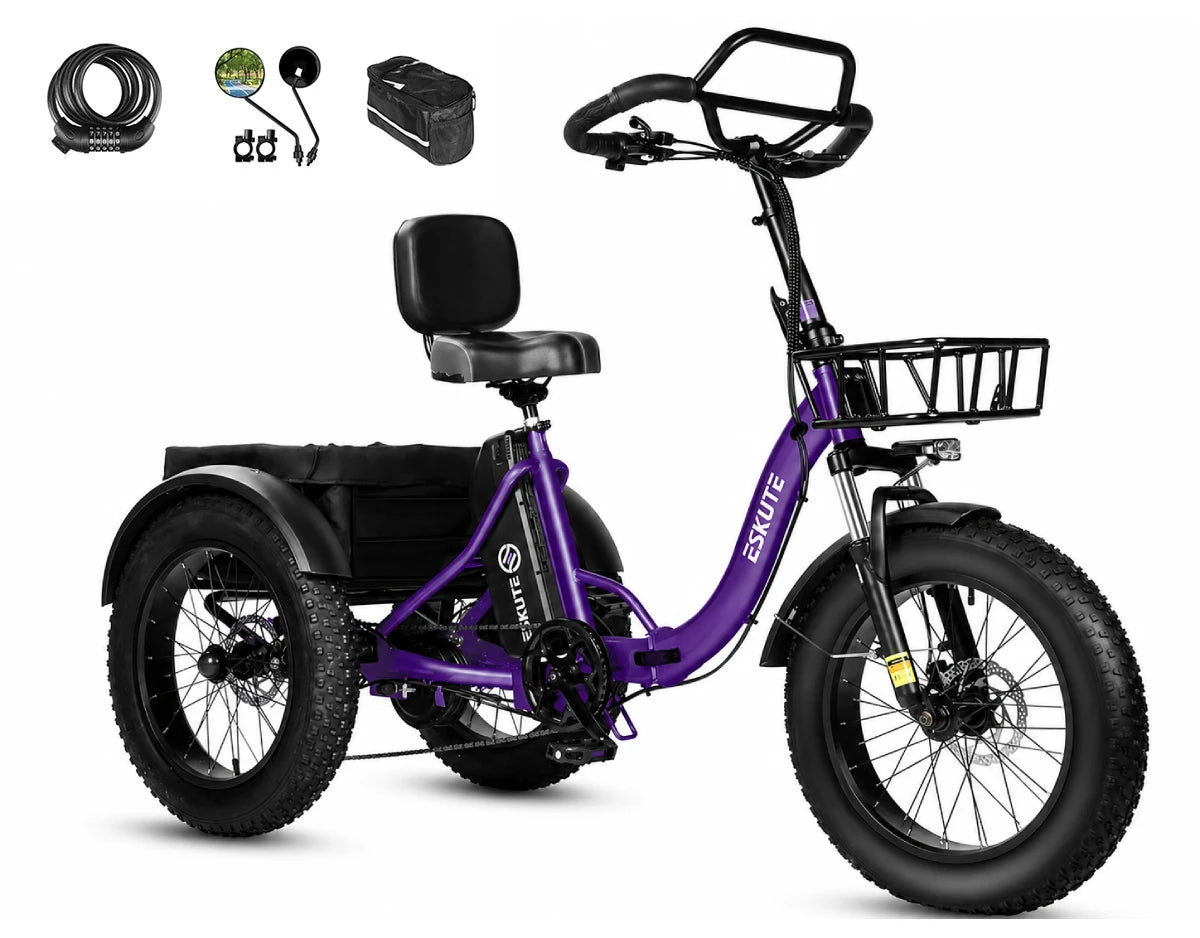
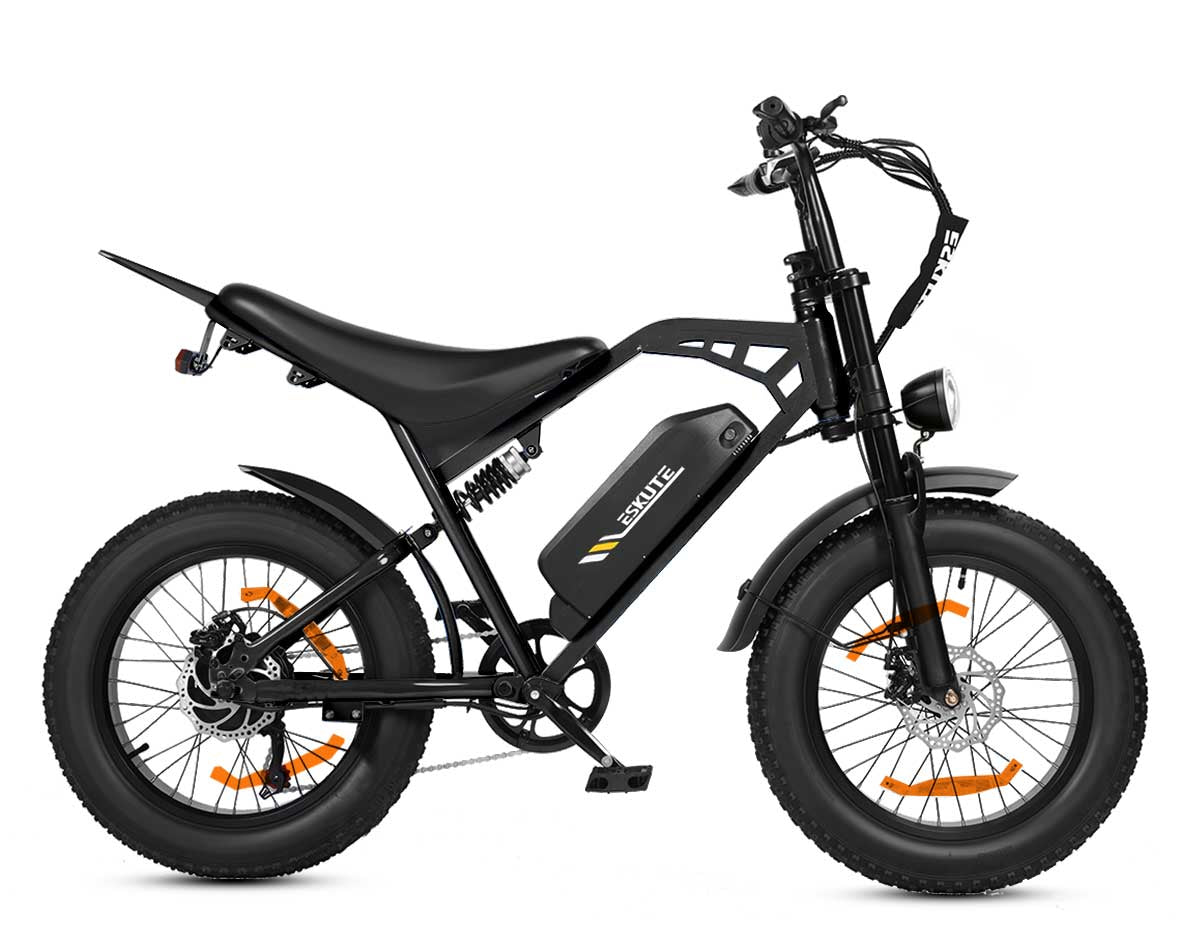
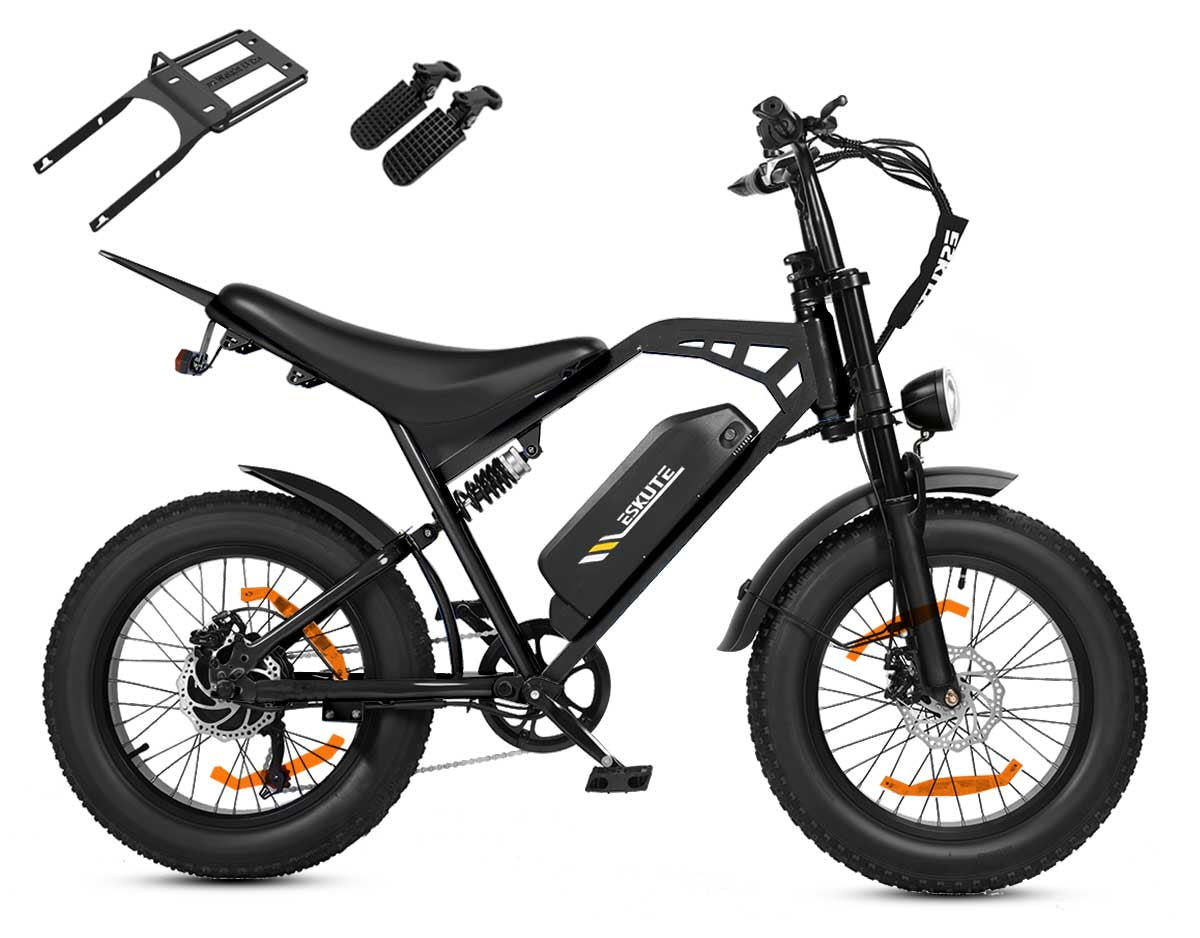
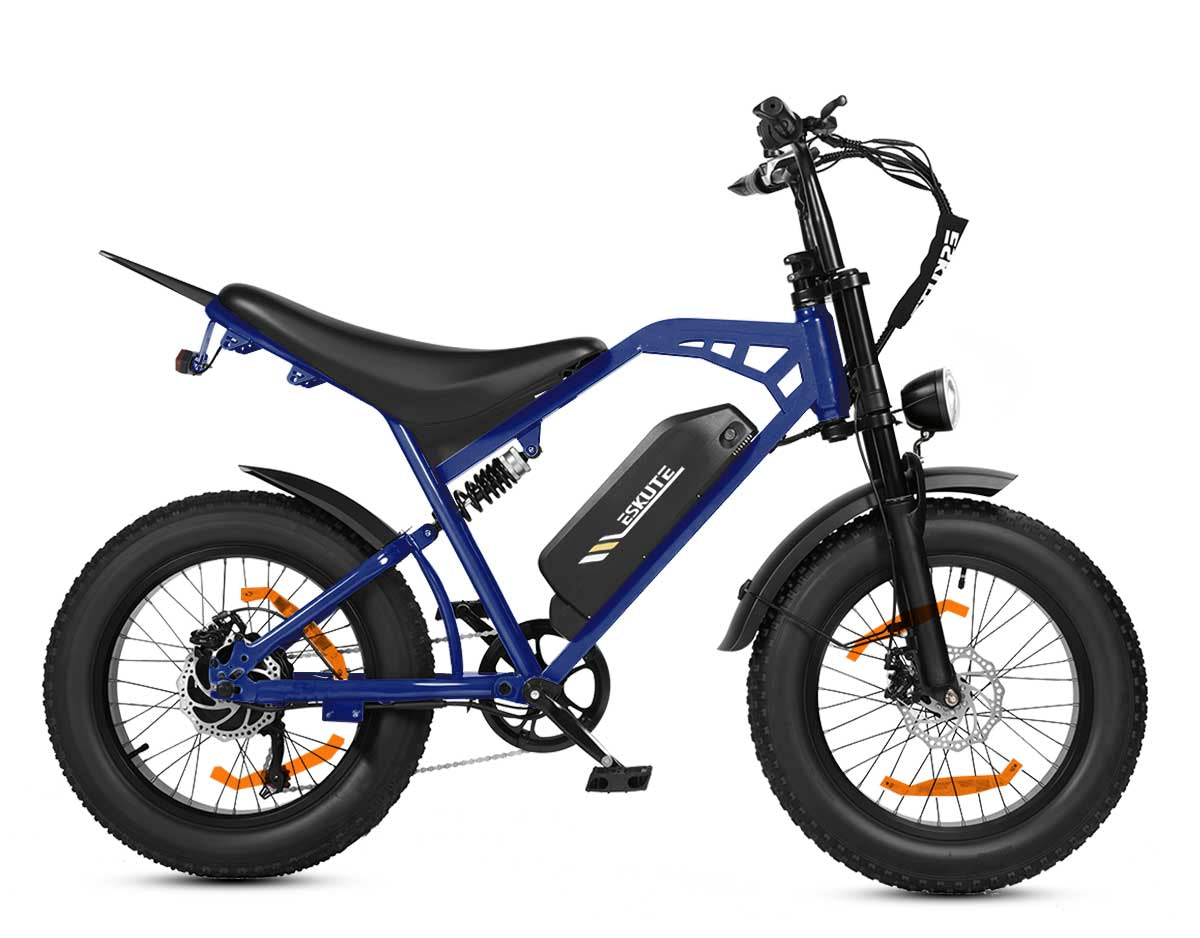
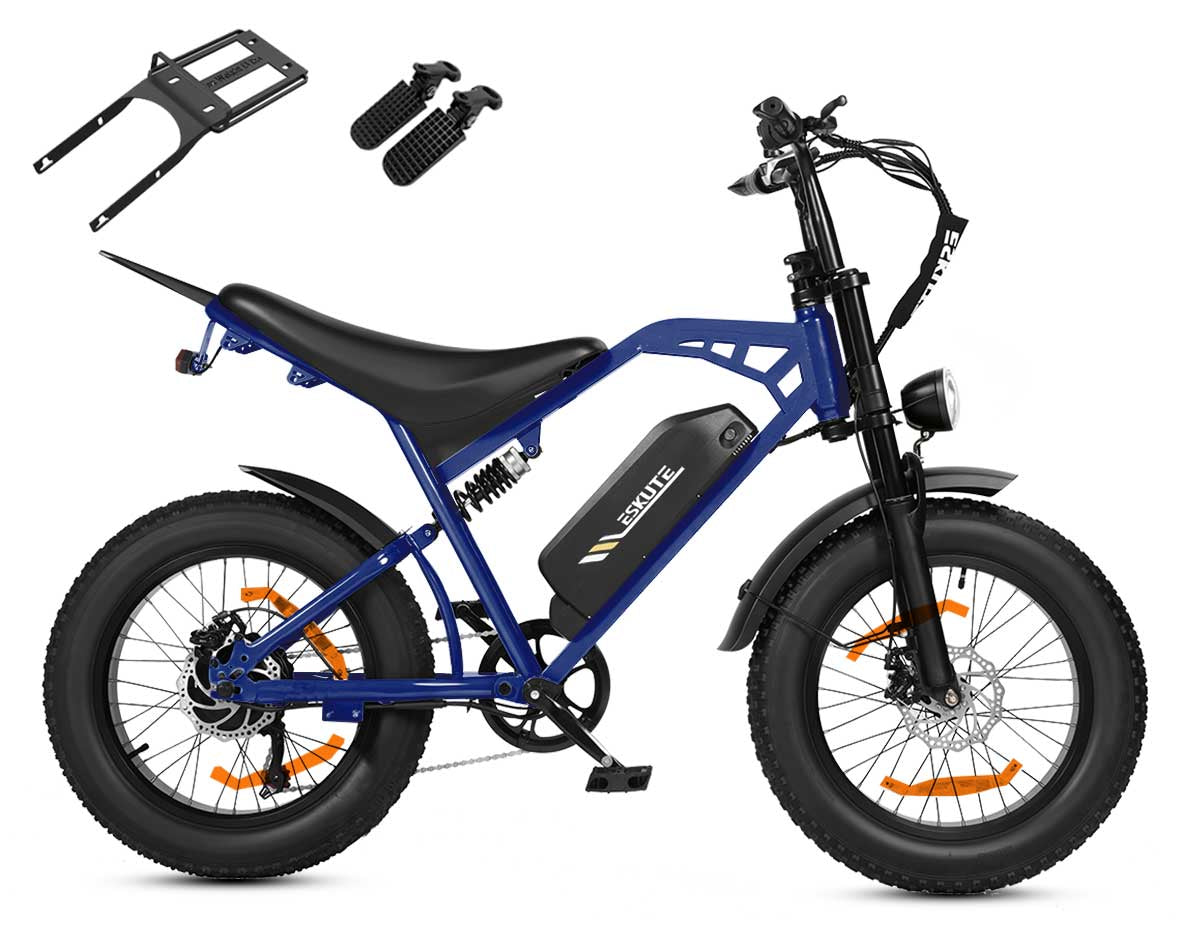
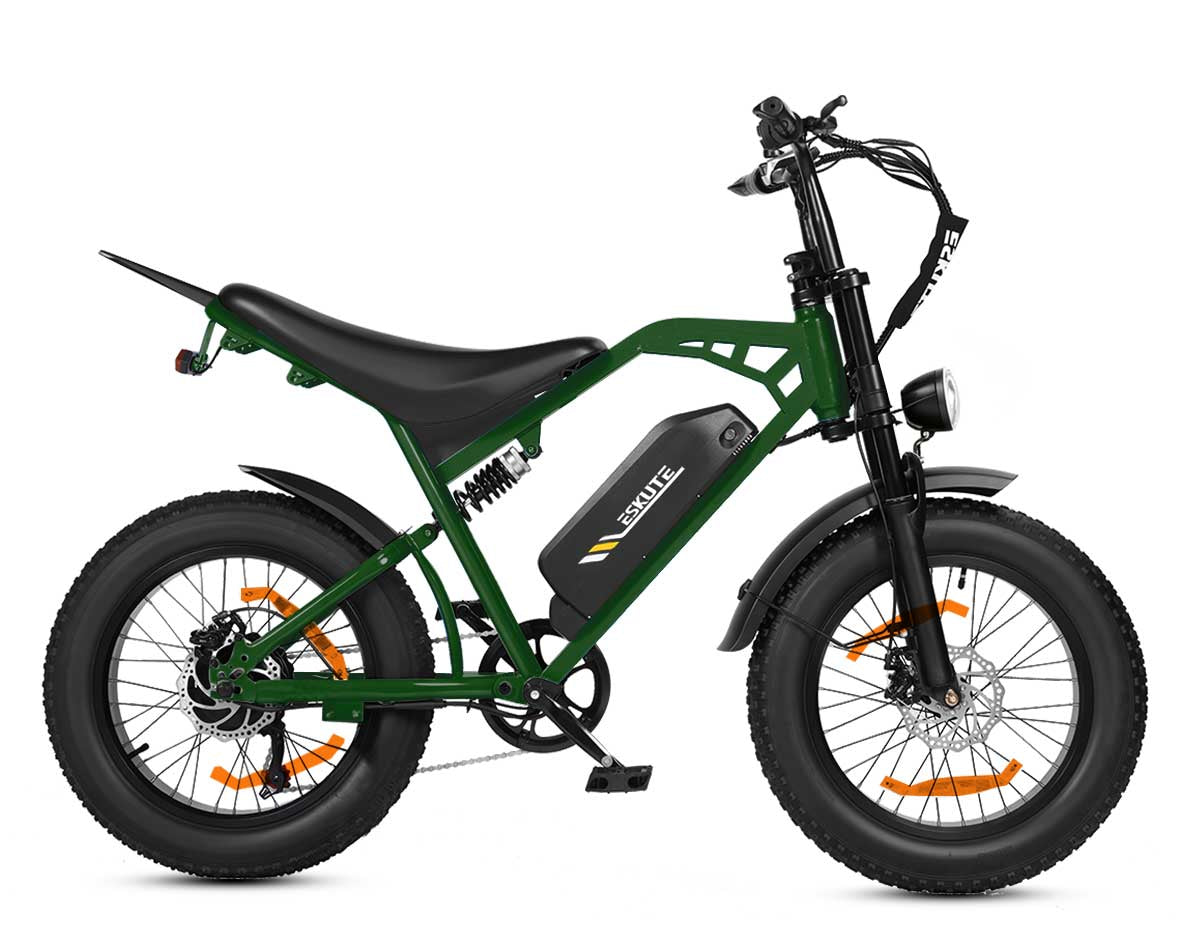
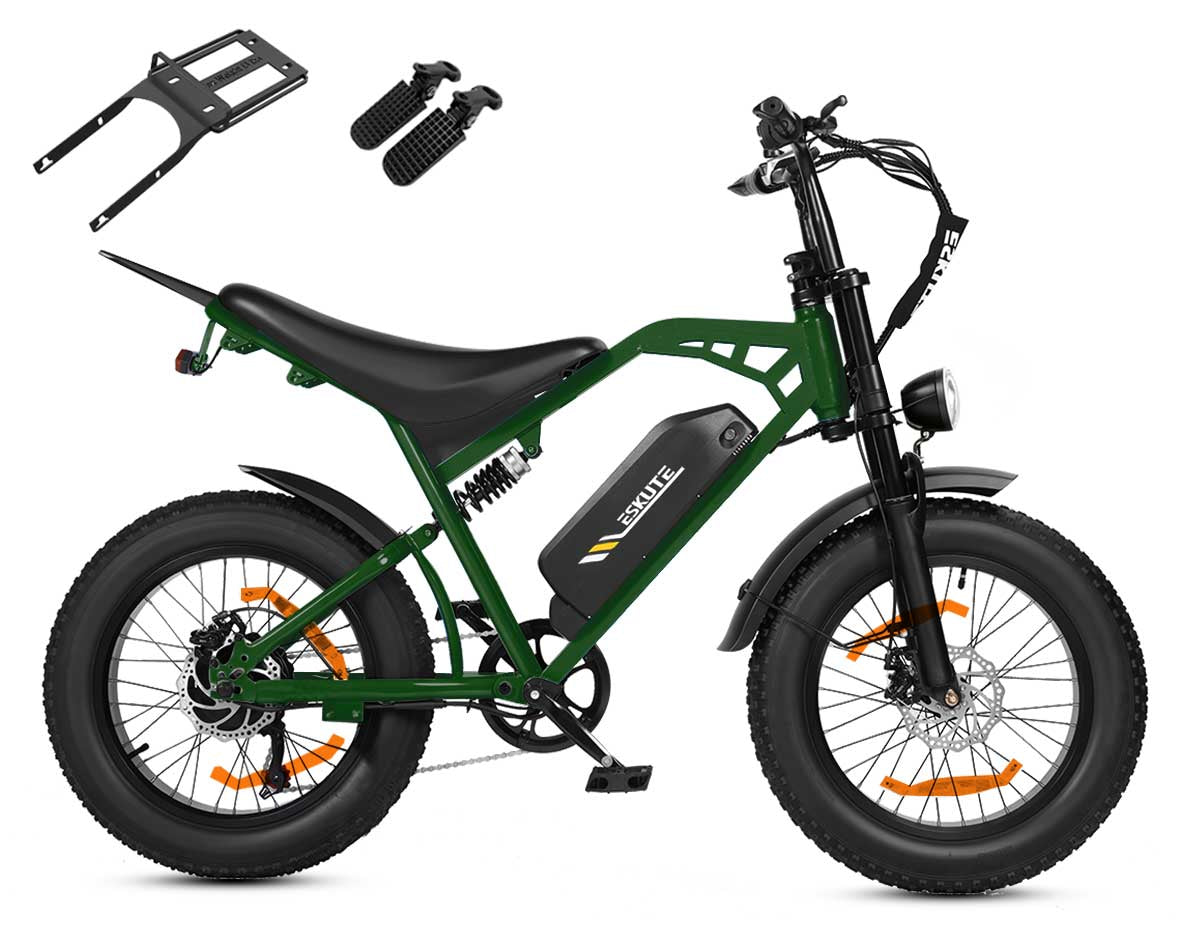
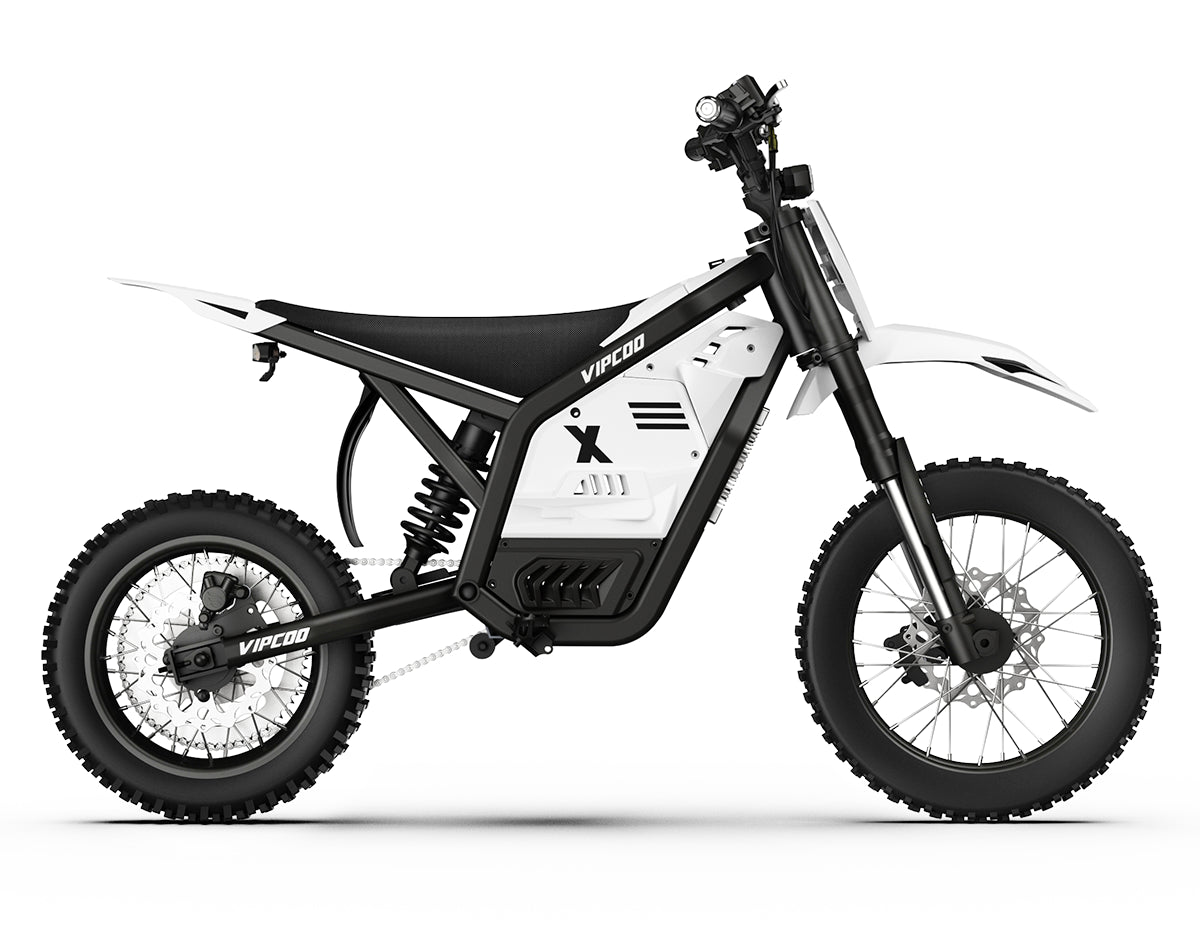
Autumn rides have their own kind of magic: golden leaves, crisp air and a good reason to take the scenic route before heading home. This Halloween, Eskute EU is adding a practical treat to selected rides. Buy a T302 Pro Cargo E-Trike and get a free combination bike lock, or choose a V202 Retro E-Bike or NOVA X Electric Dirt Bike and get a free crossbody bag. Whether your plans involve everyday shopping, relaxed weekend outings or dedicated off-road recreation, discover the ride—and the gift—that fits your plans. Halloween Gifts at a Glance Buy Get Eskute T302 Pro Cargo E-Trike A free combination bike lock Eskute V202 Retro E-Bike A free crossbody bag Eskute NOVA X Electric Dirt Bike A free crossbody bag Visit the relevant product page for the current Halloween offer details before ordering. T302 Pro: Everyday Errands With a Free Bike Lock A visit to the market, a stop at the bakery or a short trip to collect a parcel: the T302 Pro brings useful carrying space to everyday journeys. Its front and rear baskets help organise shopping, while the low step-through frame makes getting on and off more convenient. A parking brake is useful when stopping to load or unload, and the rear differential supports smoother turning. For Halloween, buy a T302 Pro and get a free combination bike lock. It is a practical addition for those moments when your ride includes a stop outside a shop or café. The parking brake helps prevent rolling; the lock serves a different purpose by helping secure the trike when parked. Choose an appropriate locking point and parking location whenever you leave it unattended. Picture a crisp autumn morning, a basket of fresh groceries and a coffee stop on the way home. The T302 Pro gives you another way to make those local trips. Shop T302 Pro & Get a Free Bike Lock V202: Retro Style With a Free Crossbody Bag If your ideal autumn ride includes a riverside route, a village café and time to enjoy the view, take a closer look at the V202. Its retro moped-inspired design brings character to leisure rides. Full suspension and wide tyres help soften the experience of uneven surfaces, while the removable battery makes charging more convenient between outings. This Halloween, buy a V202 and get a free crossbody bag. The bag provides a convenient place for small essentials such as your phone, keys and wallet, whether you are preparing to leave or stepping into a café during a break. Plan a manageable route, leave time for a few stops and make the most of the season at your own pace. Shop V202 & Get a Free Crossbody Bag NOVA X: Off-Road Plans With a Free Crossbody Bag For riders whose weekend plans centre on off-road recreation, NOVA X offers a different kind of adventure. Its 3500W peak mid-drive motor, full suspension and hydraulic disc brakes form a setup designed for dedicated off-road riding. For Halloween, buy a NOVA X and get a free crossbody bag—a useful extra for keeping small personal items together before and after your riding session. NOVA X is sold for off-road use. Choose a suitable riding location, confirm permission and applicable local requirements, and use appropriate protective equipment. Shop NOVA X & Get a Free Crossbody Bag Make More of Your Autumn Rides A little preparation helps you enjoy the outing. Check your lights, tyres and brakes, look at the weather forecast and plan your return before daylight fades. Carry only what you need and keep belongings secured. If you wear a bag while riding, ensure it does not restrict movement and keep loose straps away from wheels and other moving parts. Choose the ride that suits your everyday life, then enjoy a Halloween extra: T302 Pro: practical carrying space, plus a free combination bike lock. V202: retro leisure riding, plus a free crossbody bag. NOVA X: dedicated off-road recreation, plus a free crossbody bag. Explore the eligible models and check the current gift offer on their product pages. Frequently Asked Questions Which Eskute Models Are Included in the Halloween Gift Offers? The offers cover the T302 Pro, V202 and NOVA X. The T302 Pro comes with a free combination bike lock; the V202 and NOVA X come with a free crossbody bag. Do I Need to Buy Both a V202 and a NOVA X to Get the Bag? No. Buying either a V202 or a NOVA X qualifies for the corresponding crossbody bag offer, subject to the activity terms shown on the product page. Where Can I Check the Offer Conditions? Visit your chosen model's product page for the current activity details, eligible options and any applicable conditions before placing your order.
Planning a Longer Weekend E-Bike Ride With the Eskute V202
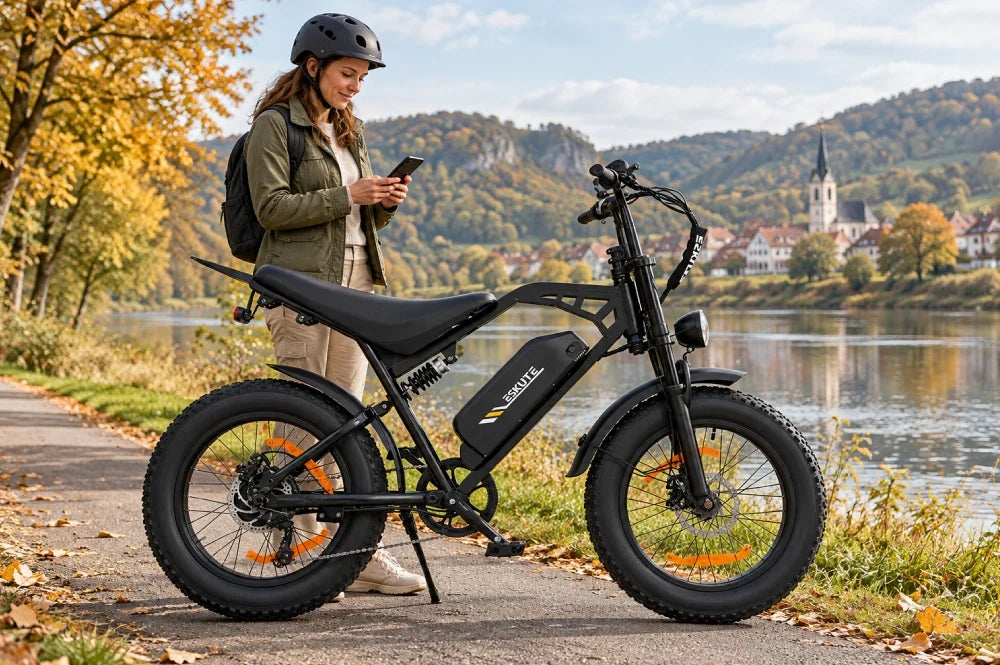
A riverside route, a stop at a village café and a scenic detour on the way home: a weekend e-bike ride is an opportunity to enjoy the journey at your own pace. If you want to ride further, start with a route that suits your bike, a realistic battery plan and a comfortable setup. A compatible spare e-bike battery can give you more energy for the trip after a battery change, but it is only one part of planning a good day out. Here is how to prepare for a longer weekend ride with the Eskute V202. 1. Choose a Route You Will Enjoy Riding Begin with the kind of outing you want. A relaxed morning ride with a coffee stop needs a different plan from a full day exploring unfamiliar roads. For your first longer trip, choose a route with: A manageable total distance, including the journey home. Surfaces suitable for your bike and experience. Places to stop, rest and get refreshments. A shorter return option if the weather or your energy changes. An out-and-back route makes the return distance easy to understand. A loop can offer more variety, but check the whole route before setting off. Allow time for breaks. A longer ride should give you more opportunities to enjoy the surroundings, rather than becoming a race to reach the finish. 2. Understand the V202's Real-World Battery Range The Eskute V202 uses a 48V 20.8Ah removable battery and has an advertised assisted range of up to 80 km. Your actual distance will depend on how and where you ride. Higher assistance, climbs, headwinds, cold weather, rider weight and luggage can all affect energy use. Tyre pressure and frequent acceleration matter too. Plan from your experience on familiar journeys rather than treating the maximum range as your route target. Leave a margin for the return, particularly if the way home includes hills or a headwind. How Can You Make Better Use of Your Charge? Use an assistance level that suits the terrain, select an appropriate gear and aim for a steady pace. Check tyre pressures against the manufacturer's recommendations before leaving. Monitor battery level during the ride and reassess your route at rest stops. Turning back earlier can be a sensible choice, even if your original plan was longer. 3. Consider Comfort as the Route Gets Longer Range helps you reach your destination. Comfort helps you enjoy getting there. The V202 combines full suspension, 20 × 4.0-inch fat tyres and a long saddle. Its front and rear suspension help soften bumps on uneven surfaces. For a weekend route, think about the balance between smooth roads and rougher sections. Cobblestones or suitable light gravel may add variety, but surfaces should still match your skills and the bike's intended use. Check your riding position and take breaks before you become tired. Suspension does not replace sensible speed, and wide tyres do not guarantee grip on every surface. A familiar bike and a well-chosen route are a better foundation for a longer outing than simply adding more kilometres. 4. When Is a Spare E-Bike Battery Worth Considering? A spare battery may be useful if you regularly want to extend your rides beyond what one charge comfortably allows. It can also suit trips where charging is unavailable or where you want flexibility for an additional loop before returning home. There are two ways to use it: Carry it on a ride: If you have a suitable, secure carrying arrangement, you can stop and replace the installed battery with a charged, compatible spare. Keep it at your base: For rides that return to your accommodation or home, a charged spare can support another outing without waiting for the first battery to recharge. Does a Second Battery Double the Range? A second charged battery provides additional energy after a swap. It does not increase the capacity of the battery already installed or turn the V202 into a system that uses two batteries simultaneously. The combined distance is not a guaranteed 160 km. Riding conditions still affect both batteries, and carrying a spare adds weight. Think of a spare battery as more flexibility for your riding plans, while continuing to allow a margin for the return journey. 5. Choose and Carry the Correct V202 Battery Eskute's replacement-battery listing includes a V202 (48V/20.8Ah) option. Select the version that matches your bike and confirm compatibility if you are unsure. Matching voltage and capacity alone does not establish compatibility. Fit, connections and model requirements also matter. Before deciding to carry a spare, check its dimensions and weight, your storage arrangement and any rack or bag load limits. Secure it against movement and protect it from impacts and moisture in line with the supplied guidance. For a battery change, stop in a suitable place, switch the bike off and follow the removal and installation instructions. Confirm the replacement is correctly seated and locked before riding. View Eskute replacement e-bike batteries Check the selected battery's availability and dispatch information when ordering. A bike and an additional battery may have different delivery schedules. 6. Use a Simple Pre-Ride Checklist Before leaving for a longer weekend ride: Charge the installed battery and any spare you plan to use. Check tyres, brakes, lights and battery security. Confirm your route, weather forecast and return options. Carry water, a snack, your phone and basic repair essentials. Secure luggage and stay within the bike and accessory load limits. Pack a suitable lock for café or sightseeing stops. Let someone know your plans if you will be riding alone in unfamiliar areas. Keep the first outing manageable, then build distance as you learn what works for you. 7. Choose the Setup That Fits Your Weekends For shorter leisure rides, the V202's standard battery may already meet your needs. For regular longer outings, a compatible spare can offer additional riding time after a swap. Start with the experience you want: an easy morning ride, a longer scenic loop or several shorter trips from the same base. Then choose the battery and carrying arrangement that support it. With a realistic route and time for a few stops, you can enjoy more of what makes weekend riding worthwhile. Explore the Eskute V202 Retro E-Bike Choose a compatible V202 spare battery Frequently Asked Questions Can I Extend My V202's Range With a Spare Battery? Yes. Swapping to a charged, compatible spare can increase the total assisted distance available across the ride. Actual distance depends on riding conditions and how you use assistance. Can I Use Any 48V 20.8Ah Battery With the V202? No. Choose a battery confirmed as compatible with your V202. Voltage and capacity alone do not confirm the correct fit or connections. Do I Need a Spare Battery for Every Weekend Ride? No. Base the decision on your usual route, actual energy use and charging access. One battery may be sufficient for your plans. Should I Plan an 80 km Ride on One Battery? Do not use the advertised maximum as a guaranteed planning distance. Start with your observed range and leave a margin for changing conditions and the journey home.
Electric Trikes for Shopping and Everyday Errands: What to Look For
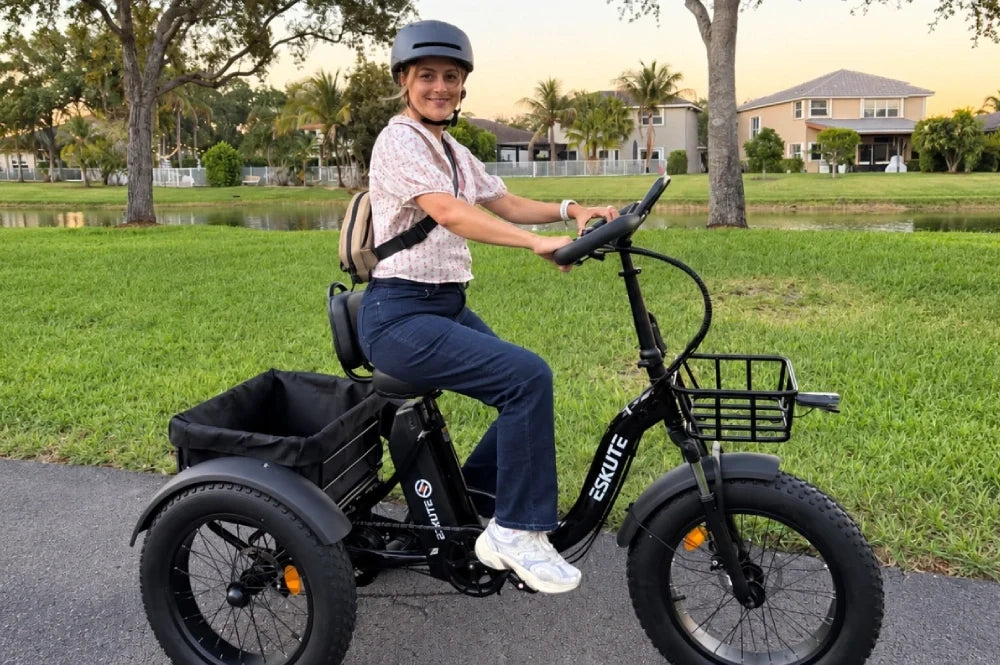
A trip to the local market should not mean carrying heavy bags home on your shoulders. Picking up groceries, collecting a parcel or stopping at the bakery can become more convenient when your ride has space for the things you need. An electric trike with baskets offers another way to make these everyday journeys. Pedal assistance supports the ride, while dedicated storage lets you carry your shopping on the trike instead of on your back. But useful carrying space is only part of the picture. Easy access, sensible loading, parking and storage all matter. Here is what to consider, using the Eskute T302 Pro as an example. 1. Start With Your Everyday Journeys Think about the trips you make most often. Are they short journeys to the supermarket? A weekly visit to the market? A ride to collect a small parcel, followed by a stop for coffee? An electric cargo trike can be worth considering when these journeys involve more than you comfortably want to carry in a backpack. Before choosing one, look at your usual route. Consider hills, narrow entrances, tight turns and where you will park at your destination. A three-wheel layout occupies more width than a typical bicycle, so access is as important as distance. Start with a familiar, manageable journey. You can build your routine as you become comfortable with the trike and learn how much shopping you actually need to carry. 2. Look for Easy Access and Practical Parking Shopping trips involve frequent stops. You may get on and off several times, move between shops and pause to load your purchases. The T302 Pro has a low step-through frame and a parking brake. These features are particularly relevant to that stop-and-go routine. A lower frame opening can make mounting more convenient, but check that the seat position and handlebar reach suit you. You should also be comfortable manoeuvring the trike when you are not riding it. When loading or unloading, choose firm, level ground wherever possible. Engage the parking brake according to the manual and check that the trike is secure before handling your shopping. The parking brake helps prevent rolling; it does not replace a security lock. When leaving the trike outside a shop, use a suitable lock and an appropriate fixed locking point. 3. Choose Baskets That Work With Your Shopping The T302 Pro includes front and rear baskets, giving you separate spaces to organise everyday items. Think about what you buy rather than simply how large the baskets look. Reusable shopping bags, a loaf of bread and a small parcel have different shapes and packing needs. A practical arrangement might be: Lighter, compact essentials in the front basket, within its specified limit. Denser items low in the rear basket, with weight balanced from side to side. Delicate groceries above heavier items, protected from movement. Loose bags secured so they cannot shift or hang near moving parts. Always follow the individual basket and rack limits. Keep your view clear and ensure nothing interferes with steering, brakes, lights or wheels. For produce, reusable bags or suitable liners can help keep small items together. If rain is likely, weather-resistant storage can help protect purchases and packaging. 4. Understand What Maximum Payload Means Payload figures are easy to misunderstand. The T302 Pro lists a maximum total payload of 200 kg, including the rider and cargo. That does not mean its baskets can hold 200 kg of shopping. You must satisfy both the overall payload limit and the separate limits for the baskets, racks and any fitted accessories. Remaining capacity under the overall limit does not tell you how much a particular basket can carry. Check the manual or confirm individual carrying limits with Eskute before loading heavy items. For daily errands, aim for a manageable, well-secured load. Splitting a large shop into smaller trips may be more practical than trying to use every available kilogram of capacity. How you distribute and secure your shopping matters as much as its total weight. 5. Allow for Different Handling When Loaded If you are used to a two-wheel bicycle, give yourself time to learn how a trike steers and turns. Practise in a clear, level area before heading into traffic. Begin without cargo, then try a small, secured load so you can become familiar with the difference. Slow down before turns, steer smoothly and allow more space for braking when carrying shopping. Take particular care around uneven ground, sloping surfaces and kerbs. The T302 Pro’s rear differential allows the rear wheels to rotate at different speeds through a turn. It does not make the trike tip-proof or remove the need to control speed. For a fuller explanation, read our guide to riding and turning safely on an electric trike. 6. Check Storage, Charging and Route Access A useful shopping trike needs to fit into your home routine as well as your shopping routine. Measure Your Access The T302 Pro product page lists an overall width of 73 cm. Measure gates, doorways and storage entrances, allowing room to manoeuvre rather than relying on a close fit. Check your destinations too. Narrow barriers and crowded cycle parking can affect which route or parking space works best. Plan Where It Will Live The T302 Pro has a folding frame, but folding does not make a full-size cargo trike lightweight. Check folded dimensions and how you will move it before planning storage or vehicle transport. A secure, accessible ground-floor space can make regular use more convenient. Make Charging Part of Your Routine Its 48V 20.8Ah removable battery allows charging without moving the whole trike beside a socket. Follow the supplied instructions and use the correct charger. Plan trips around your own riding conditions. Cargo weight, hills, temperature and assistance level can affect range, so leave a battery margin for the journey home. 7. Is the T302 Pro Right for Your Daily Errands? The T302 Pro is worth considering if you want an electric trike with baskets for local shopping and have suitable routes, parking and storage. The strongest reason to choose one is a practical match with your routine: space for your purchases, convenient access and a ride you feel comfortable managing. Before buying, check that: Your regular shopping fits within the basket dimensions and carrying limits. You can get the trike through your home entrance and along your intended route. You have secure parking and suitable storage. The riding position and controls suit you. You have time to practise before carrying shopping in traffic. You have a convenient charging arrangement. With the right setup, everyday errands can become an opportunity to spend more time outdoors while carrying what you need. Explore the Eskute T302 Pro Cargo E-Trike


